
The Future of Play: Navigating the Next Era of the Gaming Industry
The gaming industry is undergoing a metamorphosis that rivals the transition from 2D to 3D gaming in the late 90s. As we look at the current landscape, the intersection of advanced technology, changing consumer habits, and a globalized esports culture is defining the new paradigm of digital entertainment. Staying updated with the latest gaming news is no longer just for enthusiasts; it is essential for understanding where technology and social interaction are headed.

The Proliferation of Cloud Gaming and Subscription Services
The traditional model of purchasing physical video games is rapidly shifting toward cloud-based access. Services like Xbox Game Pass, PlayStation Plus, and GeForce Now have fundamentally changed how players engage with titles. By removing the barrier of entry—hardware cost—developers are seeing a surge in player numbers for indie and AAA titles alike. This democratization of gaming means that high-fidelity experiences are now accessible on tablets, older PCs, and mobile devices, effectively expanding the global market.
AI Integration in Game Development
Artificial Intelligence is arguably the most disruptive trend currently affecting game design. From procedural generation that creates near-infinite game worlds to NPCs (non-player characters) that react with human-like nuance, AI is reducing the development timeline while increasing complexity. Developers are now utilizing generative AI to prototype assets, allowing them to focus on core mechanics and storytelling, ensuring that the final product feels more immersive than ever.
The Evolution of Esports and Competitive Gaming
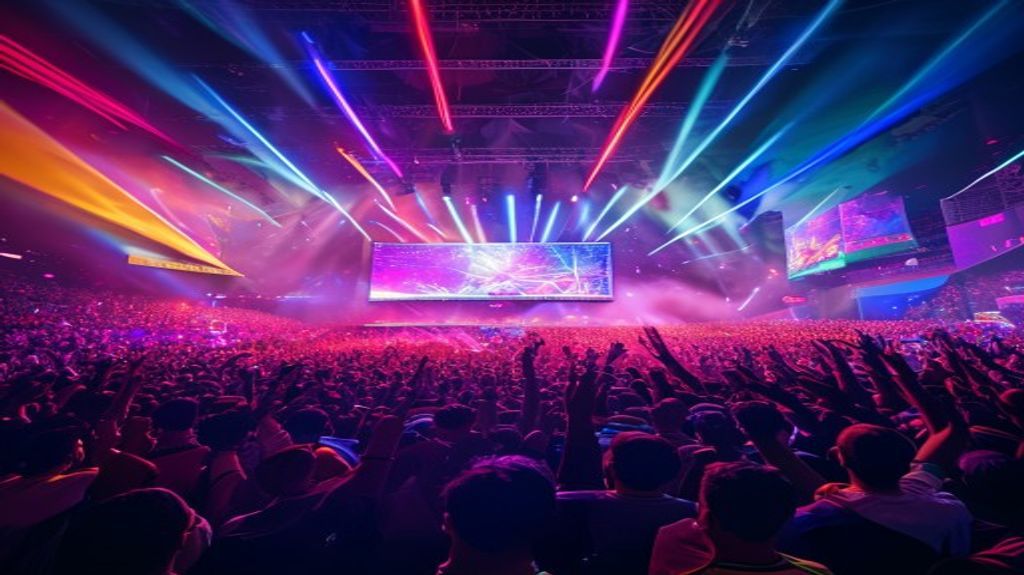
The trajectory of esports is one of the most remarkable stories in recent history. Once a niche hobby, competitive gaming has become a multi-billion dollar enterprise rivaling traditional sports. Major tournaments fill stadiums, and viewership numbers have consistently broken records across platforms like Twitch and YouTube Gaming. The professionalization of talent, from collegiate scholarships to international sponsorship deals, has cemented esports as a permanent pillar of modern culture.
Mobile Gaming: The New Frontier
While console and PC gaming get the headlines, mobile gaming commands the largest slice of the market revenue. The sheer ubiquity of smartphones has made everyone a potential gamer. Trends indicate that developers are focusing heavily on cross-platform functionality, allowing mobile users to compete against their console counterparts. This cross-play capability is essential for long-term retention and community building.
Community, Social Interaction, and the Metaverse
Games are no longer just software; they are social platforms. Titles like Fortnite and Roblox have evolved into virtual spaces where concerts, film premieres, and social hangouts occur. The ‘Metaverse’ might be a buzzword, but the foundation of persistent virtual worlds is already here. This shift forces developers to prioritize social features, voice chat integration, and user-generated content, as the player’s connection to others is now as important as the mechanics of the game itself.

The Sustainability Challenge in Gaming
As the industry grows, so does the conversation regarding its impact. High-end computing requires massive energy consumption, and the industry is beginning to pivot toward sustainable development practices and hardware efficiency. Looking forward, the focus will likely shift to ‘green gaming,’ where publishers prioritize optimized code that reduces thermal load and power consumption without sacrificing fidelity. This change is not just ethical; it is becoming a business necessity as consumer awareness grows.
Conclusion
The gaming industry is at a crossroads of infinite potential. From AI-driven development and the rise of mobile gaming to the professionalization of esports, the landscape is evolving rapidly. Whether you are a developer, a player, or a professional looking into the sector, the key is to embrace the convergence of these technologies. The future of gaming is social, accessible, and deeply immersive, promising a decade of innovation that will rewrite the rules of digital play.
Leave a Reply