
The Evolution of Play: Defining the Future of the Global Gaming Industry
The landscape of the gaming industry is undergoing a seismic shift. As technology advances at an unprecedented rate, the line between reality and virtual interaction continues to blur. From the rise of cloud gaming to the professionalization of esports, staying updated with the latest gaming news is essential for developers, investors, and enthusiasts alike. In this analysis, we explore the trends currently reshaping the $200 billion global market.

The Paradigm Shift: From Physical to Digital
Historically, the industry was driven by hardware cycles. Today, the focus has shifted toward services and accessibility. Cloud gaming platforms are enabling high-fidelity video games to be played on low-end hardware, effectively democratizing access. This shift is not just about convenience; it is about expanding the total addressable market to include millions of gamers who previously lacked the financial means to buy expensive consoles or gaming PCs.
The Role of Subscription Models
Subscription services have revolutionized how we consume content. Similar to Netflix or Spotify, services like Xbox Game Pass have changed player behavior, encouraging experimentation with indie titles they might have otherwise ignored. This ensures a constant flow of engagement, which is the gold standard for modern publishers.
Esports: The New Global Spectator Sport
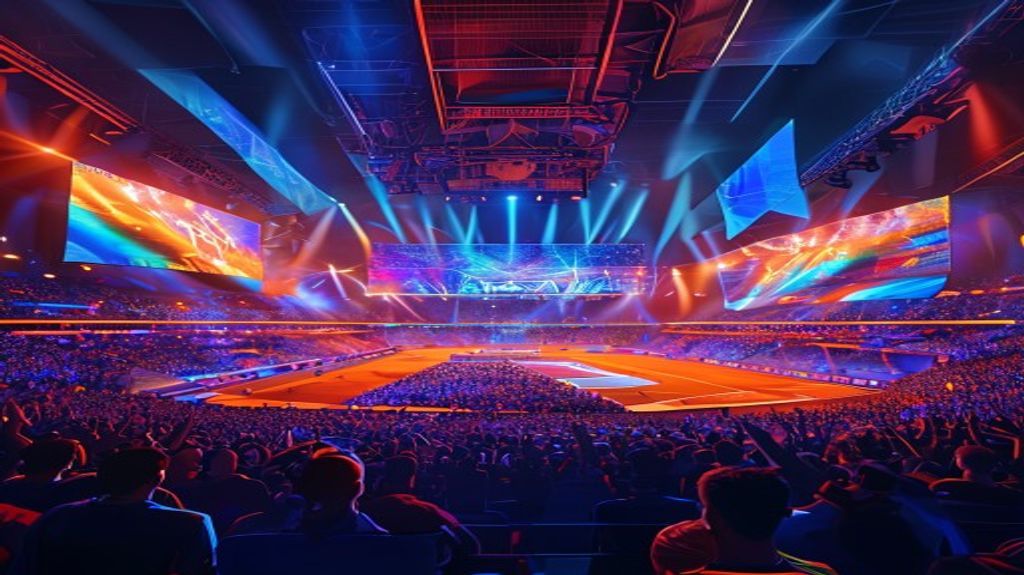
Perhaps no trend is more significant than the maturation of esports. What was once considered a niche hobby has transformed into a legitimate athletic endeavor with multi-million dollar prize pools and global broadcast deals. The professionalization of team structures, athlete wellness, and broadcast quality mirrors traditional sports, attracting major sponsorships from non-endemic brands like Coca-Cola and Mercedes-Benz.
Technological Advancements Driving Engagement
Graphics and immersion remain at the core of the experience. The adoption of ray tracing, AI-driven upscaling, and advanced haptic feedback has heightened the realism of digital worlds. However, the next frontier isn’t just better graphics; it is procedural generation and AI NPCs that react in real-time, making every playthrough unique.
AI Integration in Game Design
Artificial Intelligence is no longer just a buzzword. Developers are utilizing AI to streamline asset creation, voice synthesis, and quest generation. This reduction in overhead costs allows smaller studios to compete with industry giants, fueling a golden age of indie innovation.
The Future: Cross-Platform Play and Social Hubs
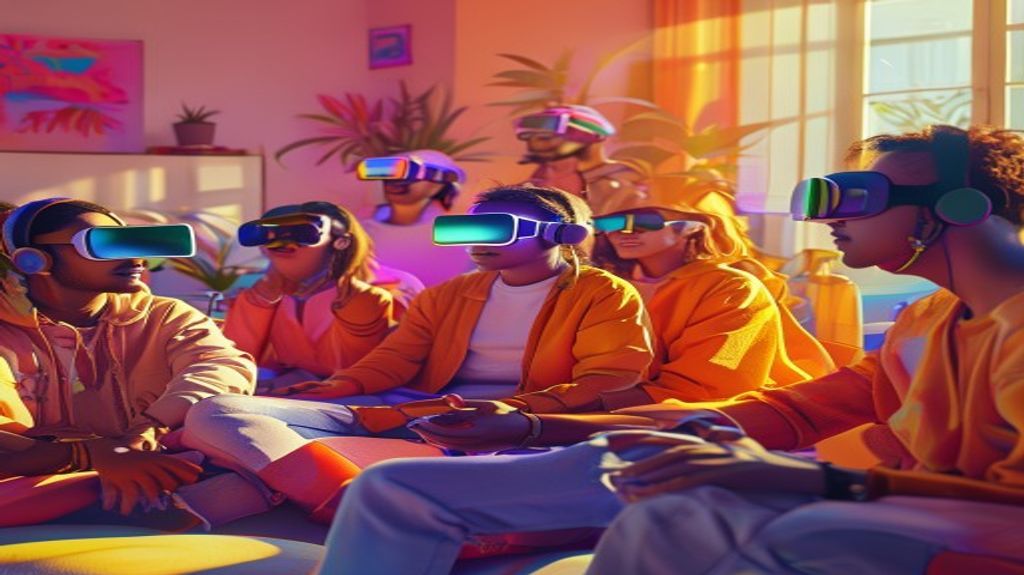
The walls between ecosystems are coming down. Cross-platform play is becoming the industry standard rather than the exception. This fosters a truly global community where players can connect regardless of their hardware preference. Furthermore, games are increasingly becoming digital social spaces, hosting live concerts, brand activations, and interactive experiences that go beyond the typical gameplay loop.
Conclusion
As we look toward the next decade, the gaming industry is poised to remain at the forefront of digital entertainment. The convergence of cloud technology, professionalized esports, and AI-driven development is creating a robust ecosystem that welcomes millions of new users every year. By keeping a close watch on these trends, stakeholders can better understand how to navigate and thrive in this dynamic market. The future of gaming is inclusive, immersive, and more interconnected than ever before.
Leave a Reply