
The Evolution of Play: Defining the Future of the Gaming Industry
The gaming industry has evolved from a niche hobby into a dominant force in global entertainment. As we navigate the current landscape, the intersection of technology and creativity is reshaping how we interact with virtual worlds. From the mainstream explosion of esports to the seamless integration of cross-platform play, staying informed on gaming news is essential for enthusiasts and professionals alike.
The Meteoric Rise of Esports
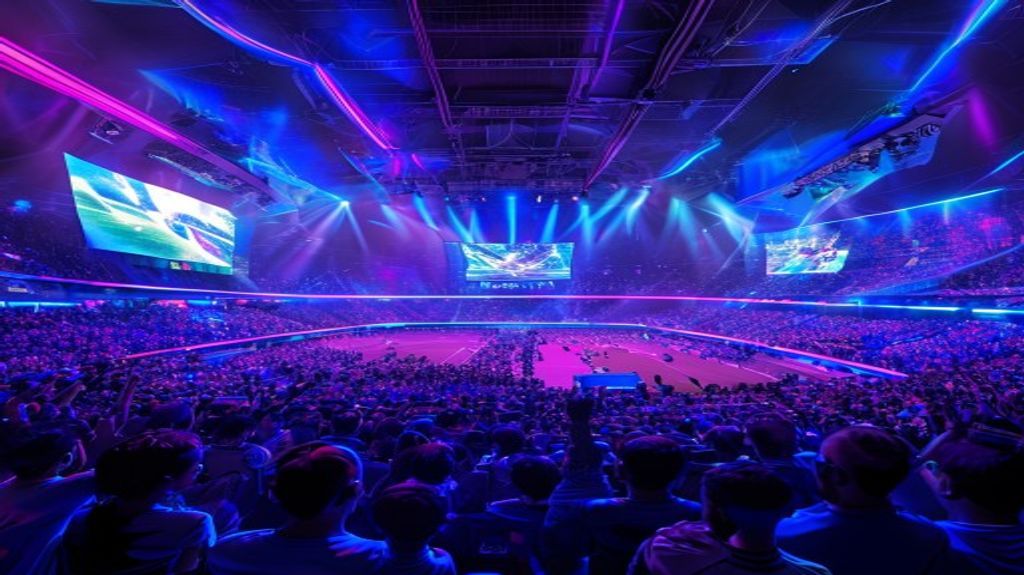
Esports has moved far beyond the basements of early adopters, filling stadiums and drawing massive digital audiences. The professionalization of competitive gaming has turned players into superstars and created a legitimate career ecosystem. Teams are now backed by high-tier sponsors, traditional sports organizations, and dedicated broadcasting networks.
Professionalization and Economic Impact
The economic impact of esports is undeniable. Revenue streams now include ticketing, digital merchandise, and complex media rights deals. As organizations seek to capture younger demographics, esports will continue to serve as a primary marketing vehicle for major tech companies and hardware manufacturers.
Cloud Gaming and the Death of Hardware Limitations
The shift toward cloud gaming is arguably the most disruptive trend in video games today. By removing the need for high-end local hardware, platforms are lowering the barrier to entry for millions of potential users. This shift is not just about convenience; it is about democratizing access to high-fidelity experiences.

The Role of Infrastructure and 5G
Reliable internet infrastructure, particularly the rollout of 5G, is the backbone of this cloud revolution. As latency decreases, the distinction between local and cloud-based gaming will vanish, leading to a truly borderless gaming experience where progress follows the player, not the console.
AI and Procedural Generation in Game Design
Artificial Intelligence is no longer just a buzzword; it is a fundamental toolset for developers. AI-driven procedural generation allows for massive, unique game worlds that were previously impossible to build by hand. This enhances replayability and provides a unique experience for every player.

Creating Immersive Worlds
By leveraging machine learning, studios can now create NPCs with dynamic personalities and reactive environments. This pushes the boundaries of traditional storytelling, making video games the most immersive medium in existence. The future of the industry is not just about better graphics; it is about smarter, more responsive worlds that evolve based on player choice.
Conclusion
The gaming industry is at a pivotal inflection point. As technology like AI, cloud computing, and advanced connectivity continue to converge, the potential for innovation remains limitless. Whether you are a casual player or a professional analyst, keeping up with the latest gaming news and understanding these core shifts will provide a front-row seat to the most exciting transformation in modern media history.
Leave a Reply