The Future of Play: Navigating the Most Impactful Gaming Industry Trends of 2024 and Beyond
The global gaming landscape is shifting at an unprecedented pace. As technology continues to evolve, the intersection of gaming news and emerging tech is reshaping how we play, compete, and connect. In this deep dive, we explore the primary trends defining the video games industry today.
1. The Evolution of Cloud Gaming and Infrastructure
Cloud gaming has transitioned from a futuristic concept to a reliable platform for millions. With the reduction of latency and the improvement of internet infrastructure, gamers no longer need top-tier hardware to experience AAA titles. This democratization of access is fueling a massive shift in how publishers distribute their content.

2. Esports: From Niche Hobby to Global Powerhouse
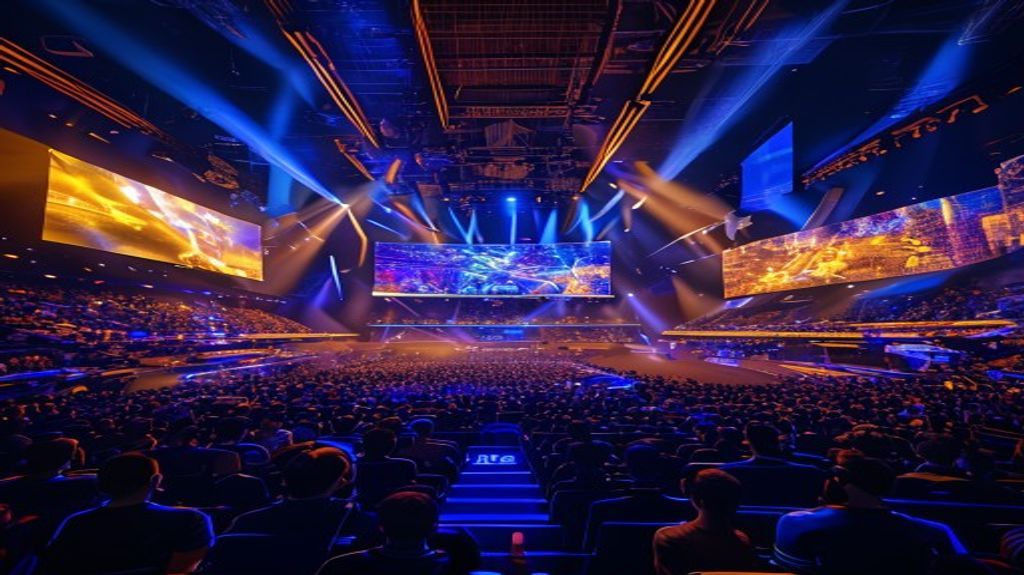
Esports is no longer just for the enthusiasts. It has matured into a multi-billion-dollar industry, complete with professional franchises, high-stakes tournament circuits, and massive media rights deals. The professionalization of athletes, combined with sophisticated broadcasting techniques, has turned video games into a premier spectator sport.
The Integration of Virtual Reality (VR)
While traditional esports rely on mouse and keyboard or controllers, the push for VR integration is starting to challenge the status quo. Immersive competitive arenas offer a level of engagement that 2D screens simply cannot match.
3. Artificial Intelligence: The New Developer Assistant
The impact of AI on video game development is profound. Beyond simply generating textures or assets, procedural generation driven by AI is allowing indie developers to build massive, unique worlds that previously would have required hundreds of staff members. This efficiency is ushering in a new golden age for small-to-mid-sized studios.
AI-Driven NPC Interactions
One of the most anticipated leaps is the integration of LLMs into NPCs (non-player characters). Soon, players will be able to have dynamic, unscripted conversations with game characters, making worlds feel alive and reactive in ways that were once limited to tabletop role-playing games.

Conclusion: Embracing the Digital Frontier
The gaming industry is at a crossroads where accessibility, technology, and entertainment collide. Whether through the rise of cloud gaming, the global expansion of esports, or the infusion of AI in design, the future of play is brighter and more diverse than ever before. As players, developers, and investors, understanding these trends is key to navigating the next decade of gaming news and developments.
Leave a Reply