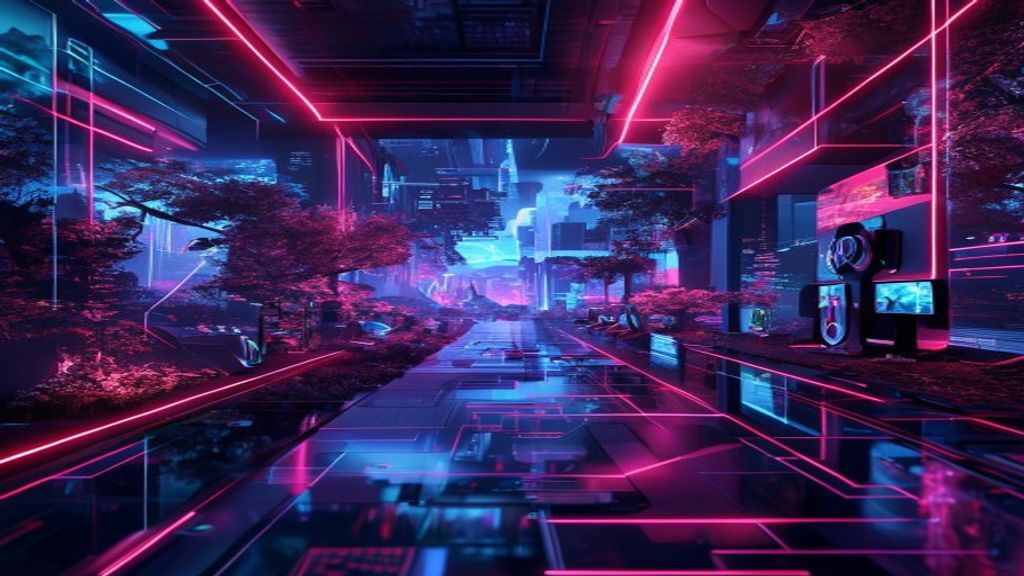
The Future of Play: Analyzing the Top Gaming Industry Trends for 2024 and Beyond
The gaming industry is undergoing a period of unprecedented transformation. As we navigate the complexities of modern technological advancements, staying informed about the latest gaming news is essential for developers, investors, and enthusiasts alike. From the democratization of development tools to the explosive growth of professional esports, the landscape of video games is shifting beneath our feet.

The Rise of Cloud Gaming and Subscription Models
For years, hardware limitations dictated how players interacted with virtual worlds. However, the rise of cloud gaming is effectively decoupling the gaming experience from expensive local hardware. By streaming high-fidelity titles directly to smartphones, tablets, and budget laptops, tech giants are opening the doors to a global audience that was previously excluded by the high barrier of entry for console or PC gaming.
The Subscription Economy
Subscription services have revolutionized consumer habits. Much like the transition in the film and music industries, gamers are opting for library-access models over individual purchases. This trend is not only reshaping revenue models for studios but is also influencing the types of games being developed, with a focus on long-term engagement and live-service longevity.
The Evolution of Esports and Competitive Gaming
Once considered a niche subculture, esports has cemented itself as a pillar of global entertainment. Modern tournaments now rival traditional sporting events in terms of viewership, production quality, and prize pools. We are seeing a move toward decentralization, where grassroots organizations are finding sustainable ways to build local scenes, while international leagues continue to professionalize.

Community-Driven Content and Monetization
The boundary between consumer and creator is blurring. User-generated content (UGC) platforms have turned gaming into a creator economy. When players are empowered to build their own levels, skins, and game modes, the lifespan of a title increases exponentially. This shift suggests that the future of video games lies in sandbox experiences that offer tools for expression rather than static narratives alone.
Artificial Intelligence in Game Development
AI is arguably the most disruptive trend currently impacting the industry. From procedural generation that creates infinite landscapes to NPC behavior models that feel truly reactive, AI is reducing production costs and increasing world complexity. While concerns regarding job security and ethical data usage are valid, the potential for smaller teams to build “AAA” quality experiences using AI-assisted pipelines is a game-changer for independent developers.

Conclusion: A Future Without Limits
The gaming industry is no longer just about playing games; it is about building ecosystems. As we look forward, the convergence of AI, cloud accessibility, and competitive community engagement will define the next decade of digital entertainment. Staying connected with these gaming news cycles and understanding the underlying tech trends will ensure that players and professionals alike stay ahead of the curve. The digital frontier is expanding, and the possibilities for immersive, interconnected play have never been more exciting.
Leave a Reply