The Future of Play: Analyzing the Top Gaming Industry Trends for 2024 and Beyond
The landscape of the gaming industry is evolving at an unprecedented pace. As we move deeper into the decade, technological advancements, shifting consumer behaviors, and the professionalization of competitive gaming are fundamentally altering how we interact with digital worlds. For enthusiasts and investors alike, keeping a pulse on the latest gaming news is essential to understanding where the market is headed.
In this article, we explore the core trends defining the modern era of video games, from the explosion of cross-platform connectivity to the maturation of esports into a global media juggernaut.
The Rise of Cross-Platform Play and Ecosystem Connectivity
Gone are the days of walled gardens where console exclusivity dictated your social circle. Today, the most successful titles are those that dismantle hardware barriers. Cross-platform play is no longer a luxury—it is a baseline requirement. Developers are increasingly leveraging cloud infrastructure to ensure that a player on a high-end PC can seamlessly compete with someone playing on a handheld console or a smartphone.
The Impact on Social Dynamics
This connectivity has shifted the gaming industry from a transactional model to a social one. Platforms like Discord and integrated voice chat features within games have turned titles into digital living rooms. As social connectivity grows, developers are investing heavily in persistent, evolving worlds that thrive on player interaction rather than just linear narrative progression.
Esports: The Professionalization of Digital Sport
Once considered a niche hobby, esports has solidified its position as a major pillar of the entertainment industry. The integration of high-production broadcast standards, corporate sponsorships, and massive stadium events has transformed competitive gaming into a legitimate career path for elite talent.
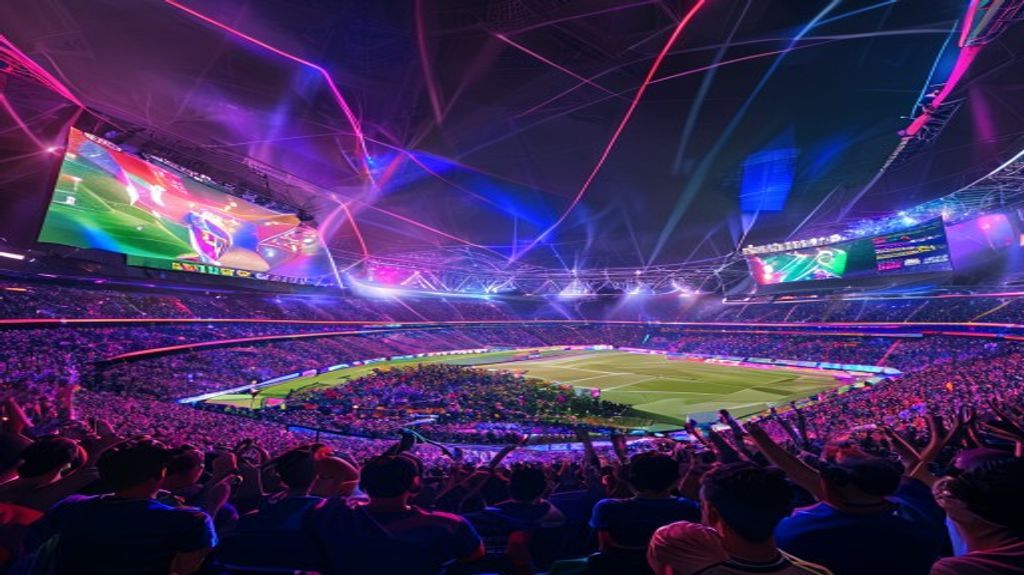
Furthermore, the growth of collegiate esports programs is ensuring a pipeline of talent that is better trained, physically and mentally, than any generation prior. This professionalization is attracting non-endemic brands—companies outside of the hardware space—who recognize the incredible demographic reach that gaming platforms offer.
Generative AI and the Future of Game Design
Perhaps the most transformative trend in the industry is the integration of Generative AI. AI is no longer just for NPC dialogue; it is currently being used to speed up asset creation, optimize lighting, and even proceduralize level design. This is a double-edged sword that promises faster development cycles but raises questions about job security and the preservation of human creativity in artistry.
Personalization at Scale
Beyond development, AI is enabling hyper-personalized gaming experiences. Imagine a world where the difficulty curve adjusts in real-time to your skill level, or where the narrative branches dynamically based on your playstyle preferences. This level of responsiveness was once a pipe dream; today, it is becoming an accessible reality for mid-to-large-scale studios.

The industry is also grappling with sustainable growth. With massive layoffs reported across major studios, the “live service” bubble is beginning to show cracks. Studios are returning to the quality-over-quantity ethos, focusing on immersive, long-tail single-player experiences that retain value over years rather than weeks.
Conclusion
The gaming industry is at a pivotal crossroads. By embracing cross-platform play, continuing to professionalize the esports arena, and integrating AI responsibly, the sector is positioned to remain the world’s most dominant entertainment form. The future of gaming is not just about better graphics; it is about deeper connection, smarter design, and a renewed focus on the player experience. As we look ahead, the companies that succeed will be those that prioritize community, authenticity, and innovation.
Leave a Reply