Editor’s Note: The recent major update has once again stirred the Call of Duty competitive landscape, introducing subtle yet significant shifts in weapon efficacy, perk viability, and overall tactical flow. For those dedicated to staying ahead, understanding these changes isn’t just an advantage—it’s essential for consistent performance. This analysis cuts through the noise, offering clear, actionable insights for players looking to refine their approach.
Call of Duty’s Shifting Sands: Mastering the Current Seasonal Meta
To truly excel in Call of Duty, players must do more than just aim well; they must understand and adapt to the ever-evolving meta. This article is for dedicated players who feel the ground shifting beneath their feet after the latest updates. We’re not just talking about minor tweaks; we’re dissecting the core changes that demand a fresh perspective on loadouts, strategies, and even fundamental playstyles. If you’re tired of falling behind and ready to dominate the current seasonal meta, you’ll learn exactly what’s changed and how to adapt your game to stay on top.
The New Arsenal Hierarchy: Weapon Shifts and Attachment Paradigms
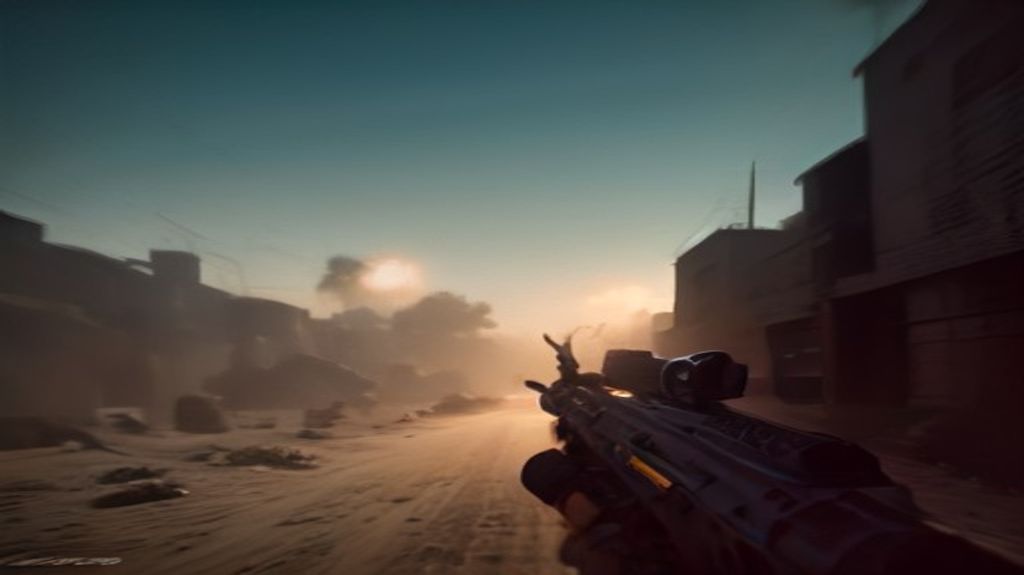
Every major Call of Duty update brings a shake-up to the weapon pool, and this season is no exception. We’re seeing a significant rebalance that has subtly, but firmly, reshaped the hierarchy of power. Previously dominant assault rifles might still be strong, but new contenders or old favorites with re-tuned stats are emerging. For instance, certain SMGs have received buffs that make them incredibly potent in close-to-mid-range engagements, challenging the long-standing dominance of high-fire-rate ARs in many situations. Conversely, some LMGs, often overlooked for their mobility drawbacks, have seen accuracy and damage range improvements that make them surprisingly viable for anchoring power positions or suppressing lanes, particularly in objective game modes. This isn’t about abandoning your favorite gun entirely, but understanding its new place in the ecosystem.
Focus on understanding the new ‘time-to-kill’ (TTK) breakpoints. A seemingly small damage buff or nerf can change the number of shots required to eliminate an enemy, which fundamentally alters engagements. For attachments, the meta has moved towards a more balanced approach rather than simply stacking aim-down-sight (ADS) speed. Stability, recoil control, and bullet velocity are now critically important, especially with the increased engagement ranges on some maps or the slight nerfs to hip-fire accuracy on others. Experiment with attachments that minimize visual recoil, as this often feels more impactful than pure statistical recoil reduction. Look at muzzle attachments that enhance bullet velocity and range, as these contribute significantly to consistency. For optics, consider clean sight pictures over high magnification, especially with the general increase in gunfight pace. Our esports analysts have noted a trend where players who fine-tune their attachments for a specific niche – either hyper-aggressive close quarters or precise long-range duels – are seeing more success than those trying to build a ‘jack of all trades’ weapon.
Perk Package Power Plays: Rethinking Utility and Survivability
The role of perks has never been static in Call of Duty, but the current meta has thrown a spotlight on specific combinations that prioritize either aggressive pushes or sustained objective control. The traditional ‘ghost’ or ‘cold-blooded’ perks remain vital for stealth, but consider how other perks synergize with your chosen weapon and playstyle. For example, if you’re leaning into the newly buffed SMGs for close-quarters mayhem, a perk like ‘Battle Hardened’ or ‘Tactician’ (for increased tactical equipment refreshes) can be a game-changer, allowing you to withstand enemy utility or apply constant pressure. Conversely, if you’re holding longer lines of sight with an LMG or battle rifle, ‘Overkill’ might be less essential if your secondary is primarily for emergencies, making room for ‘Quick Fix’ or ‘Resupply’ to maintain presence. The shift isn’t just about what *you* equip, but what *enemies* are equipping, and how you counter it.
Recent changes have also made ‘ situational awareness’ perks incredibly strong. Perks that highlight enemy equipment, reveal enemy positions after taking damage, or simply reduce the sound of your own footsteps can offer a tactical edge that translates directly into more successful engagements. Don’t fall into the trap of using the same perk setup regardless of the game mode or map. For Hardpoint, maximizing your survivability on the objective with defensive perks might be paramount. For Search & Destroy, information-gathering perks that help you pinpoint enemy pushes are invaluable. The meta favors adaptability, and your perk package is a key component of that flexibility. Before diving into a match, take a moment to consider the map, the likely enemy playstyle, and your role, then tailor your perks accordingly. This small adjustment can lead to significant gains.
Tactical Superiority: Grenades, Field Upgrades, and Map Control
Beyond guns and perks, the current Call of Duty meta has amplified the importance of tactical and lethal equipment. The careful deployment of a well-placed flashbang, stun grenade, or smoke can entirely flip an engagement or secure an objective. We’ve seen shifts in how quickly some tacticals deploy or how long their effects last, making precise timing more critical than ever. Lethal equipment, too, has seen its utility rise. While frag grenades and semtex are always reliable, consider the re-emergence of throwing knives for quick finishes or even thermite for area denial against specific objective types. Knowing the choke points and common power positions on each map allows you to pre-aim your equipment for maximum impact.
Field upgrades, often underestimated, are now integral to high-level play. Upgrades like ‘Munitions Box’ or ‘Trophy System’ have obvious benefits, but understanding their optimal placement and timing is crucial. A well-placed Trophy System can deny an entire enemy push on an objective, soaking up multiple grenades and saving lives. Similarly, a ‘Dead Silence’ used at the perfect moment for a flank can secure multiple eliminations. Don’t hold onto your field upgrade; deploy it when it offers a clear advantage, even if it feels early. The cooldowns are there to be managed, and active use generally outweighs passive hoarding. Professional players are demonstrating mastery by integrating equipment and field upgrades seamlessly into their gunfights and objective pushes, turning potential losses into significant gains in critical moments. Review your loadouts to ensure you have equipment that supports your primary role and provides the tactical flexibility needed for the current pace of play.

Common Mistakes Most Players Make in the Current Meta
Even experienced players can fall into traps when the meta shifts. Here are some of the most common pitfalls:
- Sticking to Old Habits: The biggest mistake is refusing to adapt. What worked last season might get you eliminated quickly now. This applies to weapon choices, attachment setups, and even movement patterns. Be willing to experiment and move out of your comfort zone.
- Ignoring Patch Notes: Many players glance at patch notes or ignore them entirely. Key changes to weapon damage, attachment stats, or perk functionality are often hidden in the details. Reading them provides a direct roadmap to understanding the new meta.
- Over-reliance on a Single Playstyle: If you’re always aggressive, or always passive, you’ll struggle against opponents who understand how to counter those predictable patterns. The current meta rewards versatility and the ability to switch gears based on the situation.
- Poor Map Awareness: Changes to objective locations or even slight adjustments to spawn logic can drastically alter map flow. Players who don’t actively re-learn map timings and power positions after an update will find themselves out of position frequently.
- Neglecting Team Utility: In objective modes, players often prioritize killstreaks over team-centric field upgrades or tactical equipment. A well-placed Trophy System or a timely smoke can be far more impactful than a single killstreak that gets shot down.
FAQ: Decoding the Current Call of Duty Landscape
Q1: What’s the single most impactful change I should be aware of this season?
A1: The most impactful change is the subtle rebalancing across multiple weapon classes. It’s not about one single ‘broken’ gun; instead, it’s about the increased viability of several previously underperforming weapons, alongside slight adjustments to popular choices. This forces a more diverse weapon pool and punishes players who stick rigidly to one loadout without adapting.
Q2: Are SMGs still viable, or is it an AR-dominated meta now?
A2: SMGs are absolutely viable, even thriving in specific contexts. While ARs maintain their long-range dominance, several SMGs have received buffs to their close-to-mid range TTK and mobility, making them incredibly potent for aggressive pushes, objective clearing, and tight map engagements. The key is pairing them with appropriate perks and understanding their optimal engagement distances.
Q3: How important is perk selection in this meta?
A3: Perk selection is critically important. With the current tactical flexibility demanded by the meta, your perks should actively support your chosen weapon, playstyle, and the specific game mode. Defensive perks like Battle Hardened or information-gathering perks are seeing increased usage, moving beyond purely stealth-oriented loadouts. Don’t just copy; strategize.
Q4: What’s the best way to adapt quickly to future Call of Duty meta shifts?
A4: The best way to adapt quickly is to approach each update with an open mind. Read patch notes thoroughly, jump into custom games or private matches to test weapon recoil and new movement options, and watch high-level gameplay from pro players and content creators. Prioritize learning new map flows and objective strategies over simply grinding kills. Continuous learning and experimentation are your greatest assets.
Conclusion: Embrace the Shift, Master the Game
The Call of Duty landscape is a living, breathing entity, constantly evolving with each seasonal update. For players committed to excellence, these shifts aren’t obstacles; they’re opportunities. By understanding the new weapon hierarchy, optimizing your perk packages, and mastering the strategic use of equipment, you’re not just reacting to the meta—you’re defining your dominance within it. Don’t be afraid to step outside your comfort zone, experiment with new loadouts, and adjust your tactical thinking. The players who truly adapt will be the ones consistently topping the leaderboards and making game-winning plays. Get into the game, apply these insights, and feel the difference. The battlefield awaits your mastery.
Leave a Reply