The Future of Play: Analyzing the Most Impactful Gaming Industry Trends for 2024 and Beyond
The gaming industry has evolved from a niche hobby into a global entertainment titan. As we navigate the current landscape of video games, developers, publishers, and players alike are witnessing a radical transformation driven by technological innovation and shifting consumer behaviors. In this deep dive, we explore the essential trends shaping the future of interactive media.
The Explosion of Cloud Gaming and Accessibility
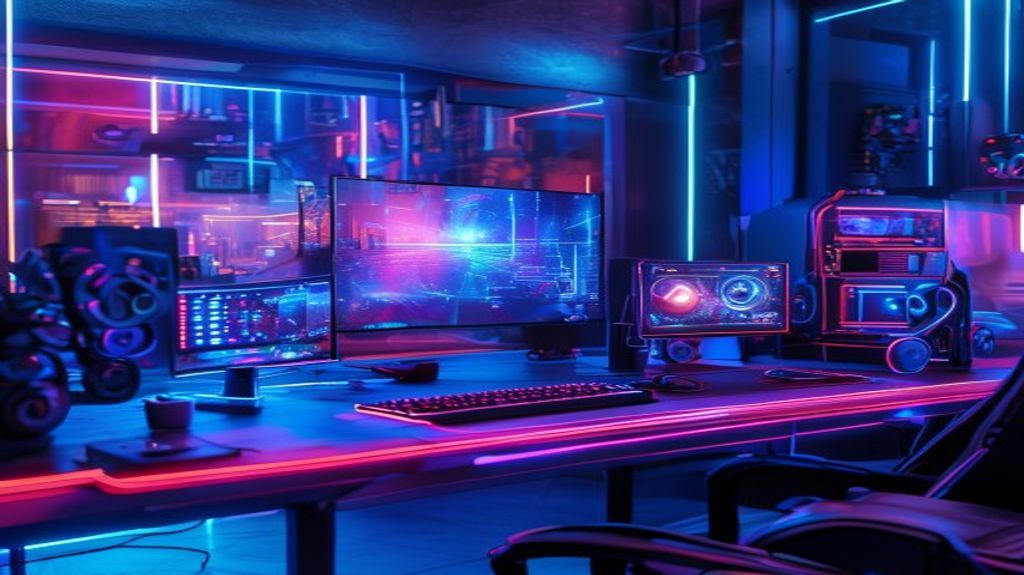
Cloud gaming has shifted from a promise to a reality. By removing the barrier of expensive hardware, services are opening doors for millions of new players. This democratization of the gaming experience ensures that top-tier titles can be played on mobile devices, tablets, and legacy hardware, fundamentally changing how we consume gaming news and release cycles.
Cross-Platform Synergy
We are seeing a total dissolution of platform silos. Cross-play and cross-progression are no longer bonuses; they are expected features. This trend drives player retention and fosters more inclusive communities where hardware choices no longer dictate social circles.
The Rise of Competitive Esports
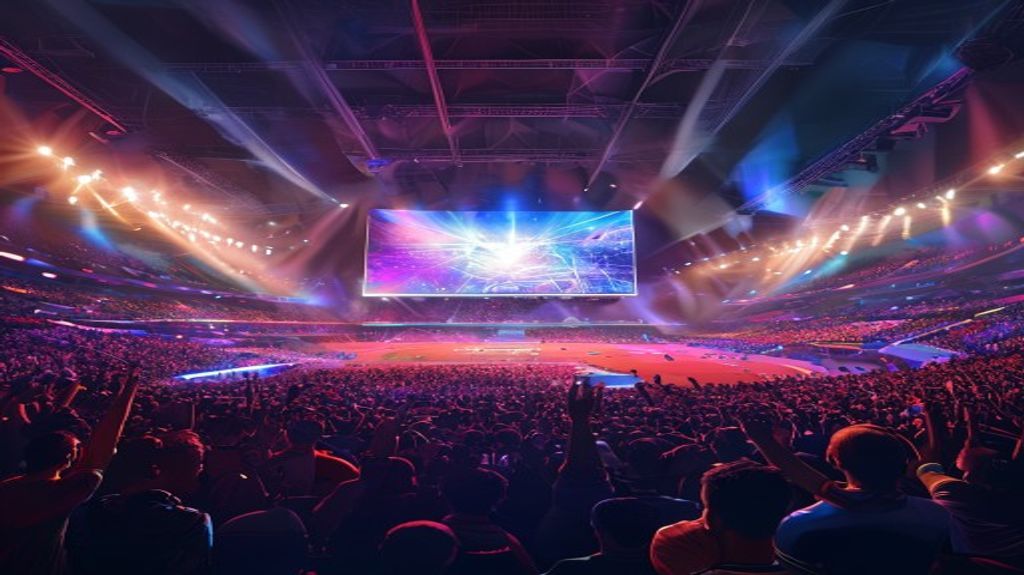
Esports has solidified its place as a cornerstone of the modern gaming industry. Beyond simple tournaments, we are witnessing the institutionalization of professional gaming. Universities offer scholarships, and global brands are investing millions into broadcast infrastructure. Esports is no longer just about the game—it is about the narrative, the celebrity of players, and the production value of the events themselves.
Generative AI: The New Frontier in Development
Artificial Intelligence is currently the most debated trend in game development. While some fear for creative integrity, others see a tool that reduces crunch and empowers indie studios. Procedural generation is becoming exponentially smarter, allowing for vast, reactive worlds that feel truly alive. From dynamic dialogue to adaptive difficulty, AI is streamlining how video games are crafted and played.
Player-Centric Design
As the industry moves forward, the focus is shifting toward longevity. Games-as-a-service (GaaS) models are under scrutiny, and players are demanding more content that respects their time. The most successful titles of the coming decade will be those that provide modular, ever-evolving experiences rather than static, one-time purchases.
The Evolution of Social Gaming
Gaming has become the new town square. In a post-pandemic world, virtual spaces have become the primary method of social interaction for younger generations. These virtual worlds transcend traditional “gaming” to become platforms for music concerts, fashion, and even political discussion. This expansion is why every piece of gaming news today involves more than just software—it involves culture, identity, and digital economy.
Conclusion
The gaming industry is at a crossroads. As we embrace cloud technology, AI integration, and a more interconnected global player base, the lines between digital and physical reality will continue to blur. Whether you are a casual observer or a dedicated enthusiast, staying informed about these trends is essential to understanding the future of entertainment. Video games are no longer just a hobby; they are the future of human connection.
Leave a Reply